
Sensors with Nanomaterials for Sensitivity and Accuracy
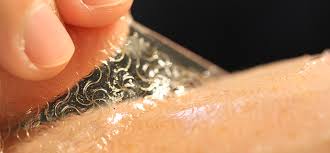
Electrochemical sensors and biosensors allow researchers to measure small quantities of chemicals or physicochemical parameters in experimental settings. This is achieved with the use of sensitive electrodes which can detect small changes in electrical signals. Due to this sensitivity, they have diverse applications in engineering and medicine. Newer versions of sensors offer greater sensitivity and accuracy with the help of nanomaterials incorporated in electrodes used in the sensor. Chitosan nanoparticles can be particularly interesting…

Review of Chitosan for Scaffolding
Tissue engineering is rapidly growing as a therapeutic alternative in regenerative medicine. Functional biomaterials research continues to develop and improve on scaffolding as it's applied for…
Read the article →
Plasma Solves Chitosan Sterilization Problem
Chitosan is a biopolymer that has shown tremendous promise in the medical literature as an effective biomaterial for myriad biomedical applications, such as a hemostatic agent,…
Read the article →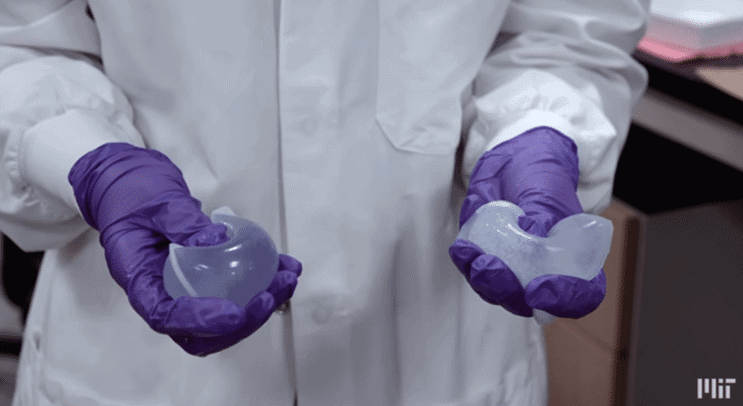
Hydrogel Expanding Pill Inflates 100 Times Bigger When Ingested
A team of MIT engineers designed an indigestible, expanding pill that can monitor the stomach for up to a month, potentially track cancers and GI conditions…
Read the article →Working with chitosan in your research?
Tell us your target specification and application. We will recommend a grade and send a certificate of analysis.